Exploring the Menara Gardens: A Historic Oasis in Marrakech
A Glimpse into the History of the Menara Gardens
The Menara Gardens, established in the 12th century during the reign of the Almohad dynasty, are a testament to the rich history and cultural heritage of Marrakech. These gardens are more than just a tranquil escape; they represent the fusion of nature and artistry that is quintessential to Moroccan landscape design. The gardens were initially designed as an agricultural and leisure space for the royalty, providing a serene environment for reflection and enjoyment.
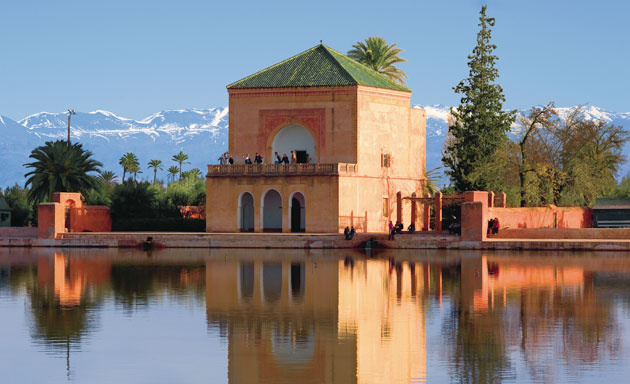
The name 'Menara' derives from the pavilion with its iconic green pyramidal roof, which serves as a focal point amidst the lush olive groves. This pavilion has seen centuries of history and is a fine example of Almohad architecture, showcasing the intricate craftsmanship of the era. As you wander through the gardens, it's not difficult to imagine the sultans and courtiers of the past pausing to enjoy the panoramic views, especially with the Atlas Mountains providing a majestic backdrop.
Today, the Menara Gardens continue to be a popular destination for both locals and tourists alike. Whether you're walking along the shaded olive tree paths or sitting by the reflective basin, the gardens offer an unparalleled opportunity to connect with nature and history. For those interested in learning more about Marrakech's historical sites, you might also consider reading our article on
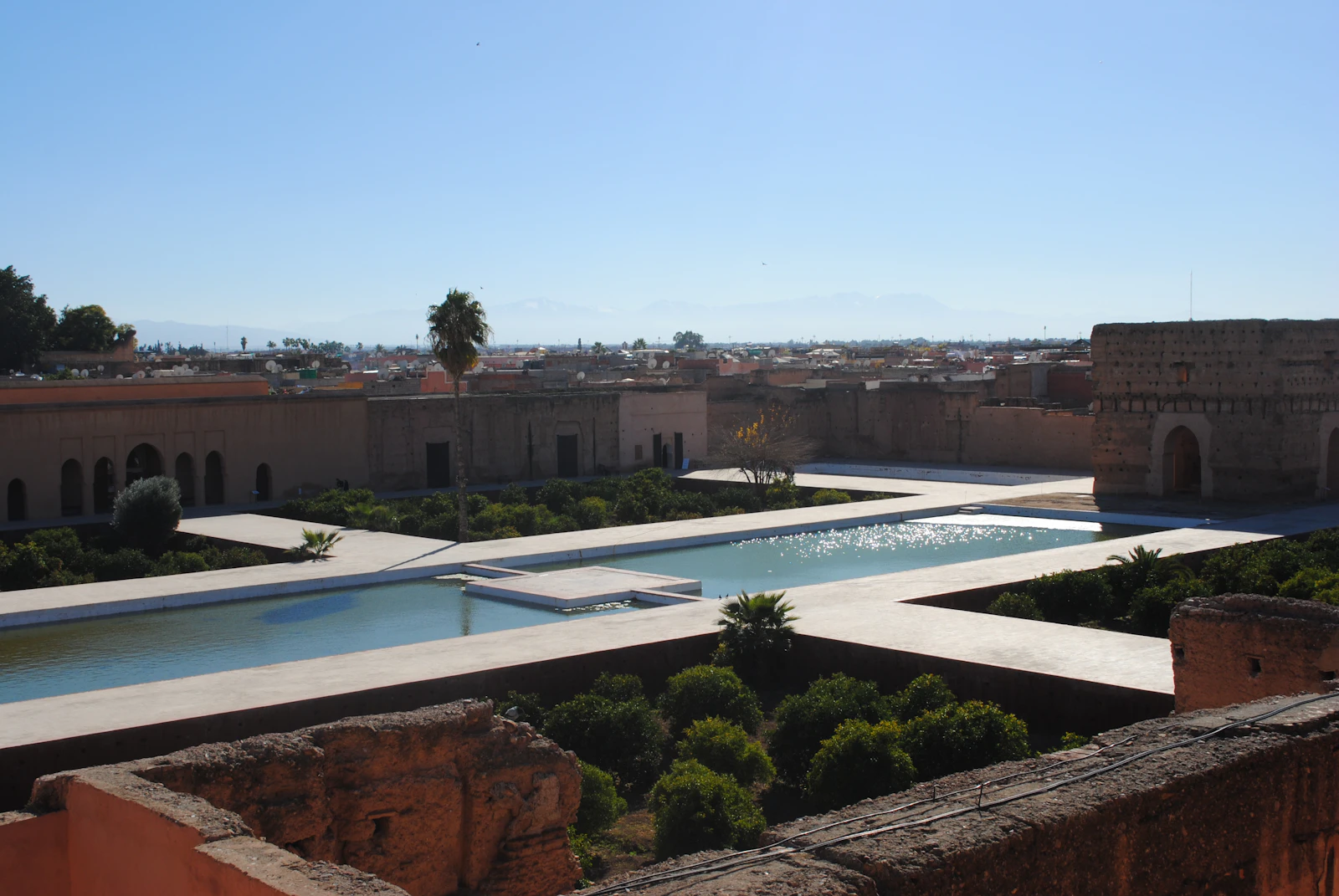
Exploring the Rich History of El Badi Palace.
Architectural Wonders of the Gardens
The architectural brilliance of the Menara Gardens is one of its most striking features. The pavilion, built during the 16th century by Saadi Sultan Ahmad al-Mansur, is a masterpiece of simplicity blended with elegance. Its geometric precision and use of traditional materials stand as a fine example of the architectural style prevalent during the Saadian period.
A walk around the pavilion reveals small, intricate details that manifest the artisanship of Moroccan builders. Tiles in geometric patterns cover the floors and walls, enhancing the visual appeal while reflecting light from the water, giving it a shimmering presence. The pavilion is strategically positioned to reflect in the large basin, creating a picture-perfect view that has become the iconic image of the gardens.
The Menara Gardens are a place where human ingenuity meets the natural world, offering visitors a unique insight into the historical context and cultural advancements of the time. For those planning to explore more about Morocco's city landscapes, our
might be a helpful resource.Olive Groves: The Heart of Menara Gardens
The olive groves that surround the Menara Gardens have been cultivated for centuries, serving both practical and aesthetic purposes. These ancient trees are not just for show; they are an integral part of the garden’s ecosystem, providing shade and contributing to the serene ambiance of the area. The symbiotic relationship between these olive trees and their surroundings exemplifies the sustainable practices that were in place long before the modern environmental movement.
Walking through these groves offers a sensory experience, with the gentle rustle of leaves and the earthy scent of olive trees perfuming the air. It’s an excellent spot for a leisurely stroll, offering an escape from the hustle and bustle of Marrakech. Many visitors take the time to sit beneath the trees, meditating or simply enjoying the peace and tranquillity that the gardens provide.
The olives from these trees have also contributed to Morocco's rich culinary traditions, with olive oils that are highly prized for their flavor and quality. For those interested in exploring more about Moroccan culinary arts, visiting a local market might offer delicious insights and a chance to taste the renowned Moroccan olives and oils.
The Reflective Basin: A Symbol of Tranquility
One of the most captivating features of the Menara Gardens is the large reflective basin that lies at the heart of the complex. This man-made lake was developed to irrigate the surrounding groves, showcasing the innovative water management techniques that were ahead of their time. The basin not only served as a crucial component for agricultural prosperity but also as a reflective surface, offering a sublime view of the surrounding landscape and pavilion.
The basin attracts many photographers and artists who come to capture the serene reflections and the interplay of light and shadow, particularly during sunset or sunrise. Visitors often find the basin a focal point for meditation and reflection, drawn by its tranquility and the visual symphony it creates with its surroundings.
The presence of water in such abundance is symbolic in Moroccan culture, representing life, beauty, and the divine. Its strategic placement in the Menara Gardens not only underscores the skill of historical water management but also celebrates the life-giving properties of this precious resource.
Visiting the Menara Gardens: What to Expect
A visit to the Menara Gardens is a step back in time, offering a peaceful retreat from the modernity of Marrakech. Upon arrival, visitors are greeted by the expansive olive groves and the historic pavilion, which beckon exploration and reflection. The gardens are easily accessible, located just a short distance from the center of Marrakech, making them an ideal destination for both brief visits and extended stays.
Visitors should plan to spend several hours at the gardens to fully appreciate all it has to offer. Whether you're interested in photography, history, or simply seeking a beautiful place to relax, the Menara Gardens provide an enriching experience. Don't forget your camera, as the vistas are truly spectacular, and a compact pair of binoculars might enhance views of the far-off Atlas Mountains.
For those intrigued by other cultural and historical sites in Marrakech, a visit can be complemented with tours of other nearby attractions. Further exploration of Marrakech’s culinary offerings can be pursued by visiting our guide on
This ensures a comprehensive and delightful Moroccan adventure.Frequently Asked Questions
What are the Menara Gardens famous for?
The Menara Gardens are famous for their historical significance, lush olive groves, reflective basin, and the iconic pavilion, reflecting traditional Moroccan landscape design.
When is the best time to visit the Menara Gardens?
The best time to visit is during the spring or autumn when the weather is mild, and the gardens are at their most beautiful. Early morning or late afternoon offers the best lighting for photography.
How much time should I allocate for a visit?
Plan to spend at least two to three hours at the Menara Gardens to fully enjoy its beauty and explore its historical and natural features at a leisurely pace.
Are there other attractions near the Menara Gardens?
Yes, Marrakech is rich with cultural and historical attractions. Nearby, you can explore the Agdal Gardens, as well as the bustling Medina for a full day of discovery.