Exploring the Rich History of El Badi Palace in Marrakech
Marrakech, a city known for its vibrant souks and historic medinas, is home to El Badi Palace, a stunning relic of Morocco's opulent past. A must-visit attraction for those venturing into the heart of Morocco, El Badi stands as a testament to the grandeur of the Saadian dynasty.
The Historical Significance of El Badi Palace
El Badi Palace was constructed at the behest of Sultan Ahmad al-Mansur, ruler of the Saadian dynasty, in the late 16th century. Known as 'The Incomparable', the palace was built to symbolize the excess and power of the Saadians after their victory against the Portuguese in the Battle of the Three Kings. The Sultan utilized the immense wealth obtained from the Portuguese and his sugar trading to finance the construction, bringing together artisans and materials from all over the world.
The palace was once adorned with gold, onyx, ivory, cedar wood, and semi-precious stones, transforming it into an architectural masterpiece. Though much of its adornment was stripped under the Alawite dynasty to decorate the new capital, the sheer scale and layout of the ruins still provide an impressive insight into its past glory. Visitors today can only imagine the splendor that once defined these halls.
Architectural Marvels and Features
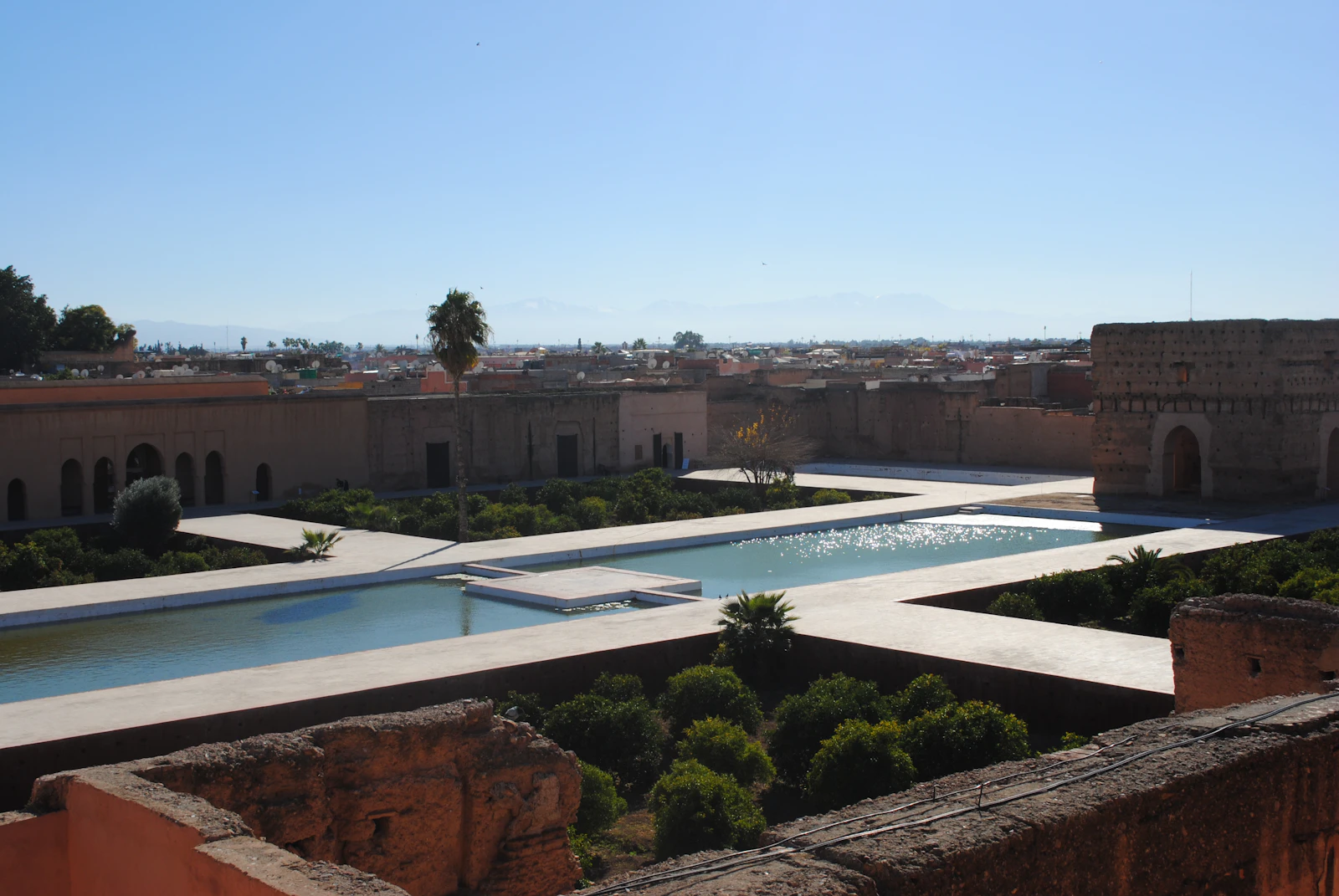
While visitors to El Badi Palace today encounter vast open spaces, remnants such as the sunken gardens and an array of reflecting pools hint at the original splendor. The palace was designed to impress its guests with vast courtyards bordered by decorative arcades, offering an expansive view of the airy gardens and fountains. These water features were central to the palace's design, reflecting not only the carefully maintained gardens but also the cloudless skies above Marrakech.
The walls of El Badi, made of rammed earth, stand grand and austere, echoing the fortress-like structure that once was. The blend of materials not only represents the artistic vision of the era but also the cosmopolitan trade exchanges Morocco was part of. Sunsets over the palace cast a golden hue, bringing a silent echo of its former majesty, often leaving visitors in awe of its historical significance.
Art and Culture Reimagined
Art installations and cultural performances have become common at El Badi, attracting artists from across the globe who are eager to showcase their work in such a historically rich setting. The palace’s spacious courtyards make it an ideal venue for large-scale art exhibitions and theater performances, drawing cultural enthusiasts from all over the world.
Moreover, the local art scene has thrived as a result of these events, offering a platform for Moroccan artists to gain international recognition. Collaborations between local and international artists have led to vibrant cultural exchanges, making El Badi Palace not just a historical monument but a living canvas of contemporary art.
A Modern Cultural Hub
Today, El Badi Palace serves as a vibrant cultural hub. The ruins host a myriad of events and exhibitions that celebrate Morocco's deep historical and cultural roots. From art exhibitions to music festivals, the palace once again becomes a focal point for cultural activities, drawing both local and international visitors. It is a space where history meets modernity, providing a unique experience for all its visitors.
Among the more famous events held at El Badi is the Marrakech Folklore Festival, where traditional songs, dances, and stories are shared. This event not only enhances the tourist appeal of Marrakech but also strengthens the bond between the modern community and its rich heritage. Experiencing these cultural events at the palace allows visitors to appreciate the deep connections between Morocco's past and present.
Spectacular Views and Photography
El Badi Palace offers unparalleled views over Marrakech. From the terraces, you can see the bustling city life and the expansive skyline of the medina. Photographers and history enthusiasts find the site particularly rewarding as it combines elements of historical intrigue and aesthetic appeal, making it one of the most picturesque locations in the city. The play of shadows and light throughout the day offers unique photographic opportunities.
The striking contrasts between the stark ruins and the lively cityscape offer numerous opportunities for stunning photographs. Sunrise and sunset provide the best light for capturing the ambiance of the palace in all its glory. It's an experience that makes a visit to El Badi unforgettable. Photographers are often seen capturing the changing colors of the walls against the backdrop of the vibrant sky.
How to Visit El Badi Palace
Planning a visit to El Badi Palace can often be combined with other attractions in Marrakech's medina. The palace is centrally located, making it accessible to tourists who wish to immerse themselves fully in the city's vibrant culture. It is recommended to allocate at least a couple of hours to truly explore and appreciate the interiors and gardens. During your visit, take time to explore the various nooks and crannies, each telling its own story of the palace's illustrious past.
Guided tours are available, providing in-depth historical context and narrations that bring the ruins to life. Alternatively, self-guided exploration allows for a more personal experience. Nearby, one can find traditional Moroccan delicacies and local shops, providing a full-day cultural immersion. Explore local cafes or browse handcrafted items to bring home a piece of Moroccan culture.
AOUID offers insights into some available services in the area, making planning your visit more convenient and enriching. Knowing where to go and what to see can greatly enhance your cultural journey.
The Surrounding Neighborhood
The area surrounding El Badi Palace is a vibrant part of Marrakech, teeming with other historically significant sites and local businesses. As you stroll around the neighborhood, you'll discover an array of street vendors selling everything from traditional crafts to delicious Moroccan snacks. The sounds, scents, and sights all contribute to a sensory-rich experience.
Nearby, visitors can explore the Saadian Tombs and Bahia Palace, both offering their unique glimpse into the past. Exploring these neighboring attractions gives a fuller picture of the Saadian era's architectural and cultural contributions. Combining these visits with a trip to local markets can provide a more rounded experience of Marrakech's diverse offerings.
Frequently Asked Questions
What is the best time to visit El Badi Palace?
The best time to visit El Badi Palace is during the late afternoon when the sun is less harsh, enhancing your visit with stunning sunset views. During these hours, the lighting highlights the textured ruins and offers a magical experience.
Is there an entrance fee for El Badi Palace?
Yes, there is a nominal entrance fee to visit El Badi Palace, contributing to its upkeep and preservation efforts. These funds help ensure that the site remains a treasured part of Morocco's heritage for future generations to enjoy.
Can I take a guided tour of the palace?
Guided tours are available and highly recommended for those interested in learning detailed historical insights and stories from expert guides. These tours provide context that transforms the ruins into a vivid tapestry of history.
Are there events held at El Badi Palace?
Yes, various cultural events and festivals are hosted at El Badi Palace, offering a rich experience of Moroccan traditions and arts. These events are a testament to the palace's role as a living cultural center, bridging the past with the present.
Visit AOUID's blog for tips on cultural experiences in Morocco, helping you discover more about the country's diverse offerings.